Accounts Payable Turnover Ratio: Definition, How to Calculate
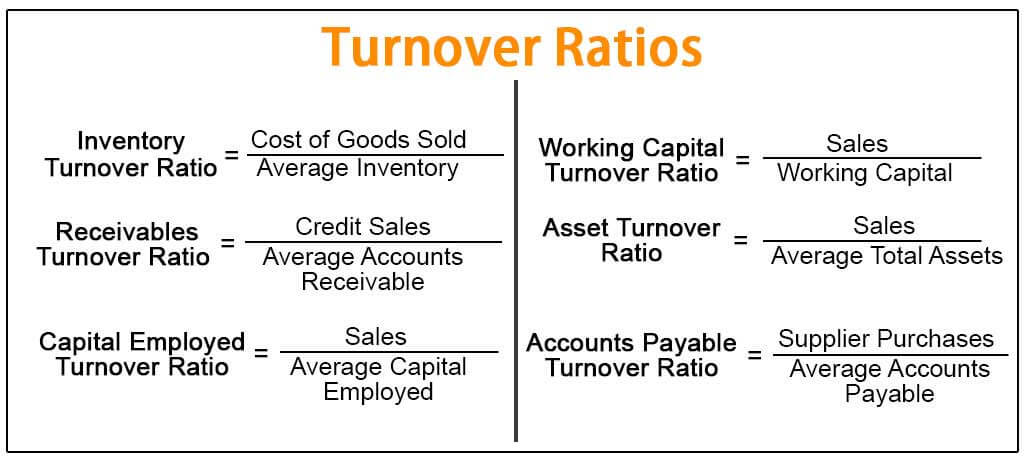
The accounts payable turnover ratio measures how quickly a business makes payments to creditors and suppliers that extend lines of credit. Accounting professionals quantify the ratio by calculating the average number of times the company pays its AP balances during a specified time period. On a company’s balance sheet, the accounts payable turnover ratio is a key indicator of its liquidity and how it is managing cash flow. In simple terms, the AP turnover ratio measures how quickly a company can pay off its suppliers within a certain period, typically a month or a year. As such, it is an essential tool for managers, investors, and creditors to evaluate a company’s performance and financial stability.
What is a Good Accounts Payable Turnover Ratio in Days (DPO)?
Cash purchases are excluded in our computation so make sure to remove them from the total amount of purchases. When getting the beginning and ending balances, set first the desired accounting period for analysis. For example, get the beginning- and end-of-month A/P balances if you want to get the A/P turnover for a single month. As part of the normal course of business, companies are often provided short-term lines of credit from creditors, namely suppliers. Instead, investors who note the AP turnover ratio may wish to do additional research to determine the reason for it.
Cost Per Invoice CalculatorCost of Invoice Processing
A low AP turnover ratio could indicate that a company is in financial distress or having difficulty paying off accounts. But, it could also indicate that a business is making strategic financial decisions about upfront investments that will pay off later. That means the company has paid its average AP balance 2.29 times during the period of time measured. That all depends on the amount of time measured, along with current AP turnover ratio benchmarks and trends over time in the SaaS industry. Another important component to consider when calculating the Accounts Payable Turnover Ratio is the payment terms negotiated with suppliers.
Business is Our Business
With the right mindset, you can strategically leverage your AP team, using AP reports and metrics to further business goals and boost your bottom line. However, it’s crucial to analyze a low ratio within the broader context of the company’s overall financial strategy. In some instances, a lower ratio might be a deliberate strategy to leverage longer payment terms for better cash flow management. A higher ratio suggests efficient liquidity management, whereas a lower ratio could indicate potential cash flow challenges needing further investigation. While the accounts payable turnover ratio provides good information for business owners, it does have limitations.
For example, when used once, the ratio results provide little insight into your business. By calculating the AP turnover ratio regularly, you can gain insights into your payment management efficiency and make informed decisions to optimize your accounts payable process. In the vast landscape of business operations, many factors contribute to a company’s success and financial health. While some aspects may take center stage, others quietly operate beneath the surface, yet have significant influence.
Furthermore, a high ratio is often linked to strong supplier relationships, as consistent and timely payments can lead to more favorable terms and cooperation. The work in progress inventory measures the rate at which a company pays back its suppliers or creditors who have extended a trade line of credit, giving them invoice payment terms. To calculate the AP turnover ratio, accountants look at the number of times a company pays its AP balances over the measured period. Creditors and investors will look at the accounts payable turnover ratio on a company’s balance sheet to determine whether the business is in good standing with its creditors and suppliers. Higher figures indicate that a company pays its bills on a more timely basis, and thereby has less debt on the books.
High AP turnover could indicate an overly aggressive payment policy that might strain supplier relationships, while a low AR turnover could signal ineffective credit management. It’s important to consider industry benchmarks and other financial indicators for a holistic understanding. Delayed payments can also strain relationships with suppliers, potentially resulting in less favorable payment terms. Moreover, a consistently low ratio could raise red flags about the company’s creditworthiness, indicating to creditors and investors a potential higher credit risk. Use graphs to view the changes in trends as the economy and your business change. Learning how to calculate your accounts payable turnover ratio is also important, but the metric is useless if you don’t know how to interpret the results.
- For example, larger companies can negotiate more favourable payment plans with longer terms or higher lines of credit.
- A transactions listing is a compiled list of all debits and credits in your general ledger (GL) for a specific period.
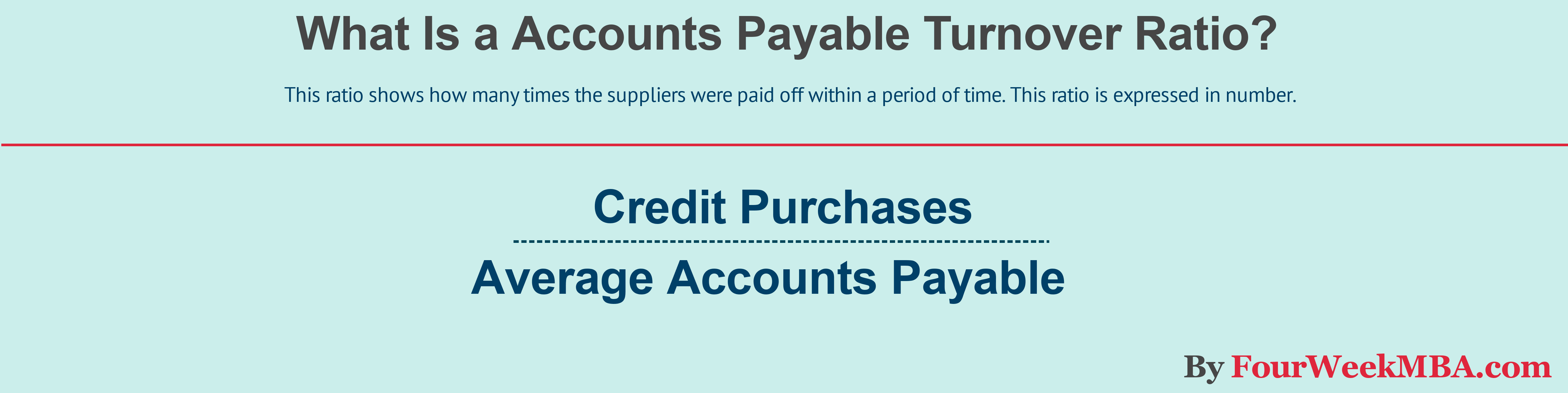
- You can calculate your AP turnover ratio by dividing net credit purchases by your average AP balance.
- To generate and then collect accounts receivable, your company must sell purchased inventory to customers.
- You can use the figure as a financial analysis to determine if a company has enough cash or revenue to meet its short-term obligations.
- Helping organizations spend smarter and more efficiently by automating purchasing and invoice processing.
The accounts payable turnover formula is calculated by dividing the total purchases by the average accounts payable for the year. The days payable outstanding (DPO) metric is closely related to the accounts payable turnover ratio. Your accounts payable turnover ratio tells you — and your vendors — how healthy your business is.
The formula for calculating the accounts payable turnover ratio divides the supplier credit purchases by the average accounts payable. It provides justification for approving favorable credit terms or customer payment plans. Again, a high ratio is preferable as it demonstrates a company’s ability to pay on time.
